Yes, just when you thought we had seen (and paid for) the last federal or state government inquiry into domestic violence, at least for a couple of years, apparently we need another one. Well more specifically, the lawyers and feminist DV lobbyists need another one.
But of course we already know what the likely findings and recommendations will be. If I just told them then why couldn’t they save the time and just give me a million dollars now. Either way there would still be a lot of fat left for feminist groups by way of paying them to ‘help’ implement the ‘solution’.
This newer, brighter, better inquiry is being undertaken by the New South Wales Government in Australia. This exercise is called the ‘Blueprint for the domestic and family violence response in NSW’. Here is a web page that provides some details and has links to further information. From that page we learn:
“As part of the It Stops Here: the Domestic and Family Violence Framework for Reform, the NSW Government is developing a Blueprint to improve responses to victims and perpetrators of domestic and family violence (DFV) in NSW (‘the DFV Blueprint’).”
The deadline for submissions is 5 February 2016. Please prepare a submission if you are able. My submission now follows:
Submission in relation to the ‘Blueprint for the Domestic and family violence response in NSW’
Thank you for according me the opportunity to contribute my thoughts about the development of public policy in relation to domestic violence, as this is a topic I feel quite passionate about.
The current situation is one where we have had one particular approach adopted to tackle domestic violence for many years now. It is strongly influenced by feminist ideology and its theoretical underpinning is the ‘Duluth Model’. Countless millions of dollars have been directed towards pursuing this approach yet all would agree that the outcome has been disappointing.
Not only has the incidence of DV not been reduced, but there has been a system-wide failure to acknowledge (let alone seriously address) the incidence of both bi-lateral and female-perpetrated violence, as well as the extent of male victimisation.
In any other field of public policy there would be demands for a greater accountability in both the allocation and expenditure of funds. There would be demands for the uniform introduction of measures such as performance reviews and auditing. People would be encouraged to contribute new and different ideas, and there might well be demands to trial alternative approaches.
Instead, the response to this situation from those in the DV advocacy sphere has been simply to ask for more public funding. Further, those who question the validity or effectiveness of existing failed approaches and/or who propose alternative approaches – are widely attacked and labelled as being anti-women and as misogynists.
To my mind feminist ideology is not precious, but human life is. I would propose that we start a fresh chapter where we acknowledge DV in its entirety and address it in an objective and disciplined manner, unencumbered by myths, dogma, preconceptions or gender bias.
These myths I mention are encapsulated in statements such as:
·The overwhelming majority of victims of DV are women
·Women only commit acts of domestic violence in self-defence, and
·Women are more seriously affected by DV than men
I’ll turn my attention now to the contents of your consultation paper, and to those specific questions posed within it:
Page 5 ‘Preventing DFV by addressing its underlying causes’
People should be made aware that the true nature of the “underlying causes” of DV is subject to considerable debate. Feminists have one view, but there are other valid alternatives. You might also mention that the effectiveness of some of the strategies you list here (for e.g. awareness campaigns) is also hotly-debated, in part because of the lack of rigorous performance review and audit procedures.
It is critically important that, whilst formulating your policy, decision-makers retain an open mind about such issues and be open to hearing about, and discussing, alternative approaches free from any ideologically-motivated censorship.
The current feminist/Duluth Model approach has failed to reduce DV. The only success it can claim is that more women are reporting abuse, which may or may not mean the incidence of DV is increasing. Men are still far less likely to report abuse than women, the effect of which is to further mask the incidence of female abusers.
In any other (less politically polarised) field of public policy the current approach would have been discarded as ineffective many years ago. There must be a better way forward – even if feminists might initially be very much opposed to it.
The paragraph beginning with ‘Early intervention support services …’ already seems to suggest ideological blinkers are in place by implying that the victims of DV are female. Why for example is there no mention of ‘fathers groups’ or ‘support services for at-risk people/groups’?
More specifically, you seem to adopt a gender-neutral approach in relation to perpetrators, but not victims. Again I would urge you to adopt gender-neutral terminology throughout your paper, and in the policies that subsequently emerge from it.
Page 6. I believe that it would be desirable to clearly state here that both victims and perpetrators can be (and are) male, female and transgender, as well as being both heterosexual and homosexual.
You should also address the fact that to date, services for perpetrators such as intensive counselling are rarely if ever made available to female perpetrators.
This is in part due to the failure to acknowledge the incidence and seriousness of female-perpetrated violence, and the widely-held view that violence against women is inherently far more serious an issue than violence against men. This occurs despite that fact that men, overall, are far more likely to be the victims of violence.
Page 7 Q1. I believe that the current shotgun approach to awareness campaigns (i.e. aiming the message at everyone in the community) is of a very dubious value, having been compromised by the lack of independent review and valuation as well as ideological bias.
I believe that respectful relationship programs in schools are likewise of dubious value in their current gender-biased format, and in fact may even prove to be counter-productive.
To be believed and to be acted upon the message must be honest in acknowledging that DV is NOT a gendered issue, and that there are substantial numbers of both male and female perpetrators, and male and female victims.
Many people are now aware for example that domestic violence is most common in lesbian couples, then in heterosexual couples, and then male gay couples. To send out a message that says or implies otherwise is to lose ones credibility at the outset.
Q2. Early intervention. There is a need to provide help lines and counselling services that are gender neutral and do not presuppose guilt, or the nature of the situation, based on the gender of the person seeking advice. That this now occurs on a widespread basis is a disgrace. It needlessly demonises men (of which 98%+ are never violent), and greatly discourages people from seeking assistance. See the following posts on this issue:
First and foremost there needs to be dedicated refuge/shelter accommodation for both men and women, including those men who flee with their children. These facilities should be professionally managed and subject to performance reviews and spot-checks.
Conflicts of interests should be avoided and, for example, an arms-length relationship should be enforced between those developing government policy, and the recipients of related funding. See
Funding should also be provided to organisations, such as ‘One in Three’, that advocate for the welfare of men and boys victimised by DV and/or provide direct services to victimised men/boys. At the moment I am not aware of any funding directed towards such groups, and indeed both feminist spokespersons and feminist organisations actively oppose the allocation of funds for this purpose. They do so for example, by attacking/shaming relevant groups and individuals, and by misrepresenting relevant studies and statistics that identify the incidence of male victimisation:
As you will see when reading through the articles and papers listed in the various blog posts I have mentioned here, female perpetrators are basically ‘let off the hook’ except in the most serious and violent of cases.
The literature in the web sites of advocacy groups implies that all perpetrators are male, men are usually the ones arrested/removed when police attend a domestic dispute, women are less likely to be charged, and if charged the punishment is likely to be less than in the case of a male.
This sends entirely the wrong message to abusive women and their victims. In the first instance they are less likely to see themselves as having a problem, and to seek help. In the latter case victims are less likely to report abuse and/or seek help thinking that they will not be believed (and even if they are no practical assistance will be forthcoming).
Gender equality, in which I am a firm believer, means that men’s and women’s lives are of equal value, and that men and women should be treated equally before the law, and elsewhere.
In October 2015 the Premier of Queensland, Annastacia Palaszczuk, was quoted as saying that more should be done for male victims of domestic violence. At the time I wondered if this was mere lip service to test the PR waters … or was there actually something tangible in the pipeline? Many people, including myself, earnestly hoped for the latter.
Well, for the sake of accuracy the title of that media release should have included the word ‘female’ before the word ‘victims’. There are many male victims of domestic violence, and yet there was nothing for them in this latest allocation of public funding.
Here are some extracts from that media release:
Two new 72-hour crisis shelters for women and children fleeing domestic violence will be opened in December.
Minister for Communities and Women, Shannon Fentiman and Minister for Housing and Public Works Leeanne Enoch said the two shelters – located in Brisbane and Townsville – will be open and accessible 24 hours a day.
Minister Fentiman announced in February that the two shelters would be established as the first commitment to a recommendation in the Not Now, Not Ever report.
“When women make the brave decision to leave a violent relationship, we must make sure we have the support and services there to help,” Ms Fentiman said.
“These new shelters will give women and children a secure haven where they can feel safe and get the professional support they need to start afresh.
“Shelter staff will link women with specialist services to provide support until they have safe, stable housing in place, as well as connecting them with ongoing support about court, health or other issues.”
“The new services will also provide mobile support to any women still needing to be placed in motels.” …
“One of the unique aspects of these shelters is they will cater for pets, which was a recommendation from the Not Now, Not Ever report, given women in violent situations can also have threats made against their pets.” …
The Department for Housing is also providing $21.8 million in 2015-16 for 56 specialist homelessness services to help women and children escaping domestic violence across Queensland.”
Male victims of domestic violence, who also sometime flee with their children, also need emergency accommodation and support services. As far as I am aware there are no beds in DV refuges available for men in Queensland, only beds in homeless shelters. These two types of facilities are not one and the same.
Minister Fentiman, why have the needs of male victims yet again been ignored despite the Premier being on record as stating that more needs to be done for them?
Will the Minister advise me that support is provided to women because the “overwhelming majority of DV victims are female“? Will she then throw in a sop about an increase in funding for Mensline, a telephone service about which feedback has been appalling?
The sum total of assistance provided by Mensline to men, many themselves victims of violence, is referral to an anger management program. See both this post and this one for background regarding the pronounced gender bias displayed by this and similar ‘help’ lines.
Despite a budget of almost $200 million, as of September 2016 the Palaszczuk Government has yet to provide any tangible targeted support for male victims of domestic violence, nor any program/s to address the needs of female perpetrators of violent or abusive behaviour.
“Ms Fentiman said the Palaszczuk Government has provided $1.1 million to Micah Projects to deliver the Safer Lives Mobile Support Service for 12 months, which has helped more than 800 women and 350 children over the last six months.
“This program has helped to increase the safety of women and children and the accountability of perpetrators,” Ms Fentiman said.
“Importantly, the service has also secured an agreement with Centrelink so women in motels due to domestic and family violence can access crisis payments.”
Micah Projects also receives more than $1.7 million to deliver additional domestic and family violence responses, including a perpetrator program.”
Just how much of this allocation will be directed to supporting male victims of domestic violence Minister? Aside from more sexist and discriminatory screening of male callers to Mensline, any of it ay all?
In an earlier post I mentioned how feminists routinely assert – or at the very least imply – that women are continually abused by men online. They consistently neglect to mention that many women perpetrate online abuse, and that many of them appear to be feminists/SJW. I have also previously written about the widespread feminist proclivity for silencing those advancing alternative perspectives and/or wilfully dishing-out retribution.
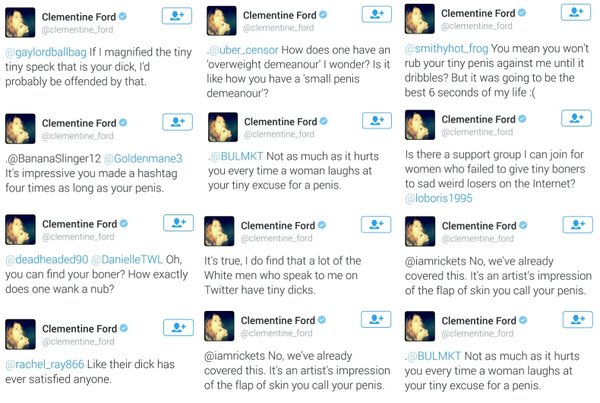
Clementine Ford is a feminist journalist known for the virulently anti-male commentary she disseminates by virtue of her position with Fairfax Media. Should you wish to lodge a complaint in relation to a Fairfax journalist, the first step is to go to the website of the publication that published the offending article. Find and click on the ‘Contact Us’ link, and then send your complaint to the editorial team. For example, with regards to The Age website click on http://www.theage.com.au/support/ and then click on ‘Editorial Feedback’. The next step is to make a complaint to the Australian Press Council.
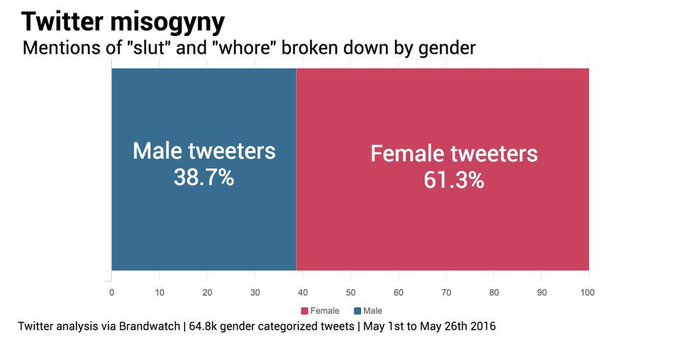
In late November 2015 Clementine received a message from some fellow called Michael Nolan, who called her a “slut“. She lodged a complaint with his employer which resulted in Michael being fired. Clementine’s version of events is detailed in this article, with a related radio interview here. The incident was also picked up by the international MSM (and note the more than 1,750 readers comments it attracted).
Clementine asserts that there are no consequences for men who threaten women online. That’s demonstrably untrue given that there are laws in place to address such behaviour, as well as actions that can be (and are) taken by ISP’s or web site providers. To the extent that such measures prove ineffective, then any such deficiencies would apply to both male and female trolls. As a consequence it seems pointless to single out men as being immune from repercussions, unless of course the intention is simply to demonise men and build further support for the women-as-victims narrative.
The feminist response to Clementine’s action sought to have us believe that doxing and punishing people for making actual threats of violence was the focus of their fury. This is little more than a ‘red herring’ to win public support, as the true emphasis appears to be silencing those advancing opinions critical of the feminist narrative. We are talking here about comments that very rarely threaten violence, and whose impact is no more severe than one of hurting the feelings of the recipient feminist.
The feminist rage quickly grew and quickly manifested itself in the creation of an online blacklist of those people whom feminists consider to be trolls … essentially a vigilante response.
I don’t support people using foul or threatening language online under any circumstances. But neither do I champion those who respond to such messages by way of shrill over-reaction. Especially when they themselves have an established track-record of disseminating online abuse. And god knows, Clementine Ford falls well and truly into that category …
“Who among us hasn’t had a daydream of going on a rampage and wiping out a third of the male population, AMIRITE?” (Source)
A sampling of some of Clementine’s other noisome literary offerings is provided below (with a few more listed in this post). I might also point out that Clementine recently saw fit to label another Aussie journalist, Miranda Devine, a f**ing c**t! This is mentioned part way through Miranda’s article about pro-feminist censorship entitled ‘So now banks are censoring columnists?’
Clementine Ford truly is a stunning hypocrite, and a potty-mouthed one at that. And if Michael deserved to lose his job then so too does Clementine. And given her prolific and protracted output of gender hate – far more so. So with that in mind, please consider signing this petition.
The response from the online community (to Clementine’s response to Michael Nolan’s comment) was certainly polarised.
Three examples of the anti-feminist response were:
No clemency for Clementine (10 December 2015) Radio interview involving well-known female men’s rights activists, the Honey Badgers
Examples of the voices of the demented feminist sisterhood who quickly rushed to Clementine’s defence include:
Tara Moss says we should stand up against this sort of behaviour (1 December 2015) BUT women are more likely to call women sluts than are men, the man that Clementine complained about did not say she should be “gang raped or murdered“, and as if calling Clementine a slut will “bully her into silence“. Oh please!
“Australia’s most prominent feminist” Oh god, if that’s the best the movement can offer up. Someone at ABC clearly has been hitting the Kool-Aid fairly darn hard.
This August 2016 article describes how Clementine Ford attacked Erin Pizzey, the founder of the Women’s Shelter movement (but now campaigns for better recognition/support for male victims of DV. See related Reddit discussion thread here.
Opinion: Pricking the social and sexist conscience can sometimes hurt (7 December 2015) “… some commentators chose to remind readers that Ford had called people such as former PM Tony Abbott and columnist Miranda Devine crude names too. The huge difference is that Ford owns her words. She does not threaten violence.” Yoo hoo, Karen, Micheal Nolan didn’t threaten violence either.
Neither this article nor this one really say anything new, but do feature some interesting readers comments. This article, on the other hand, sees a male feminist author calling for compromise get shouted down by feminist readers (related discussion thread here).
This earlier article, comparing the management response to reader complaints about Mark Latham versus Clementine Ford, is also quite relevant … as is this profile of Clementine by Mark Dent.
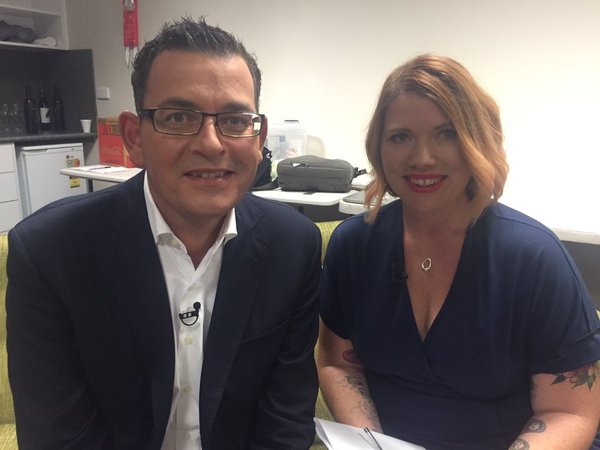
Clementine with Daniel Andrews MP, Premier of Victoria prior to appearing together on ABC’s Q&A program. Politicians like Dan appear to care more about the number of followers that someone has on social media, than they do about what a person thinks, says, and stands for. His is an attitude that has no doubt played a big role in bringing about the abysmal and still declining state of politics in this country.
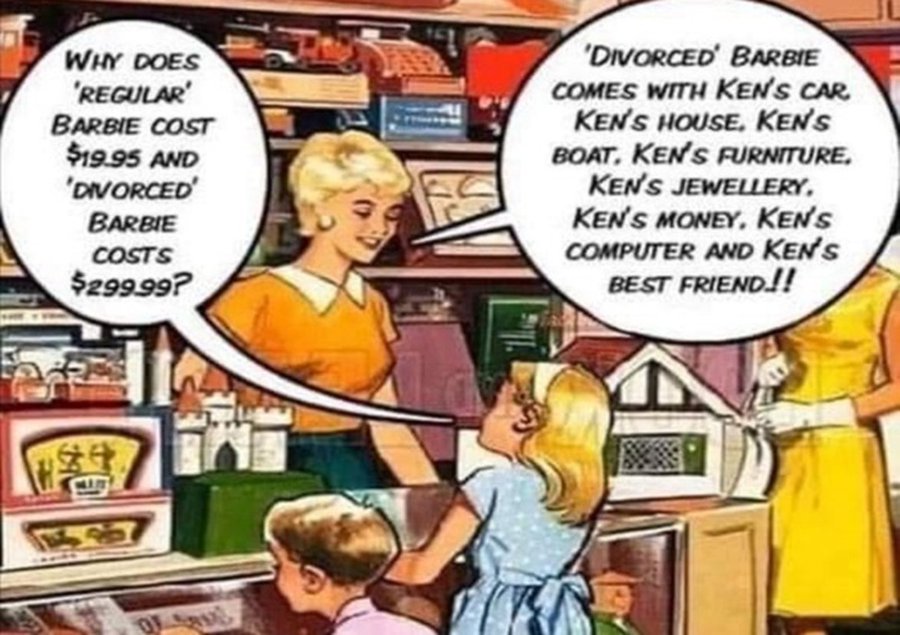
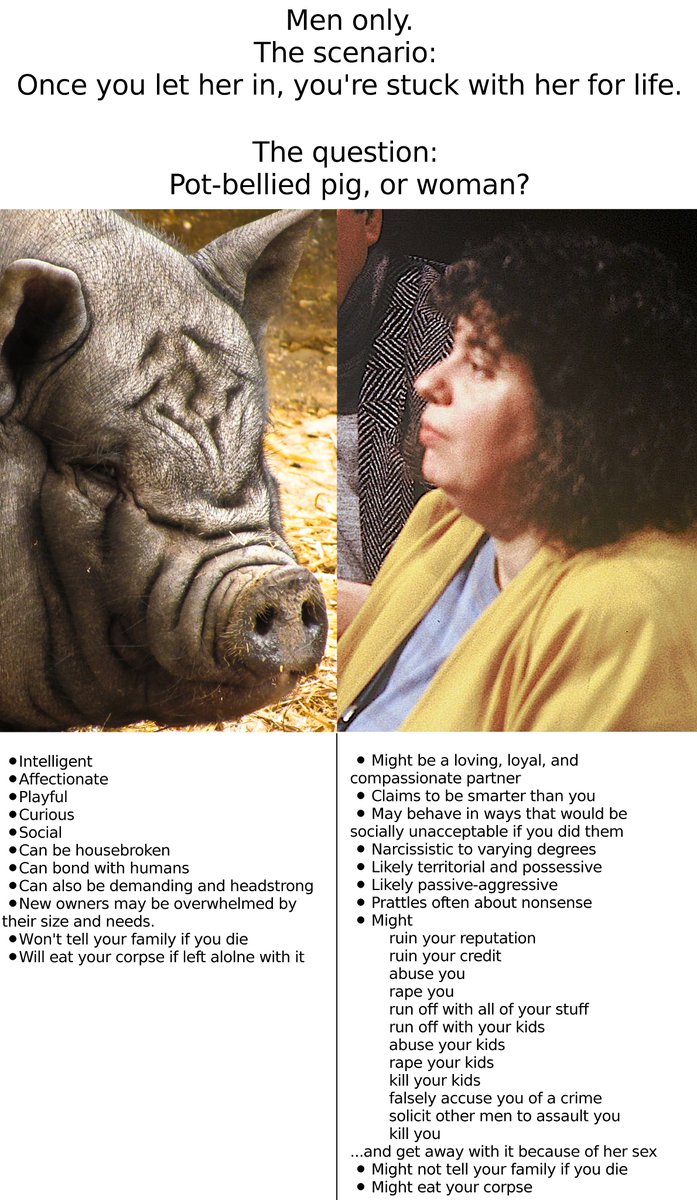
Feminists and SJW generally have a well-earned reputation for completely lacking a sense of humour. He’s a few gems to get you chuckling at their expense. Enjoy.
And please send me a message to suggest further relevant links to be included on this page.
I was reading an article the other day that included comments concerning domestic violence made by recently appointed Australian Prime Minister Malcolm Turnbull. Within it I noticed the following quote from an outspoken Australian feminist academic and female violence enabler by the name of Dr Michael Salter:
“In the context of intimate relationships we do see women use violence but it’s predominantly self-defence. We have to reaffirm everyone has the right to defend themselves against violence”.
Sadly this is by no means the first time I have come across a feminist proposing this shameful nonsense as a truthful reflection of reality.
The dominant theoretical framework employed by the Domestic Violence Industry is known as the Duluth Model. A paper attempting to defend this approach, included the following statement:
“The vast majority of women arrested in Duluth for domestic assaults are being battered by the person they assault. Most, but not all, are retaliating against an abusive spouse or are using violence in self-defense. The notion that battered women share responsibility for the violence used against them because of provocative words or actions is a dangerous form of collusion with men who batter (Mills 2003). We do not accept that these women should complete a batterers’ program. We do agree that there are a small number of women who use violence resulting in police action against their partners without themselves being abused. This is not a social problem requiring institutional organizing in the way that men’s violence against women is.” (Source)
A selection of sources that argue either in support of, or against, the notion that women only perpetrate domestic violence in self-defence and/or after experiencing sustained abuse:
‘Understanding domestic abusers’ (undated) from the New York State Office for the Prevention of Domestic Violence. See “responsive violence”. Sure women are violent but only in order to “attempt to forestall attack, defend self and others, or control the situation”
“Fact: Self defence is no more common a reason for female violence against a partner than it is for male violence against a partner
Sources: Follingstad, D. R., Wright, S., Lloyd, S., & Sebastian, J. A. (1991). Sex differences in motivations and effects in dating violence. Family Relations, 40(1), 51–57. Medeiros, R. A., & Straus, M. A. (2006). Risk factors for physical violence between dating partners: Implications for gender-inclusive prevention and treatment of family violence. In J. C. Hamel & T. Nicholls (Eds.), Family approaches to domestic violence: A practitioners guide to gender-inclusive research and treatment (pp. 59–87). New York: Springer (also available at http://pubpages. unh.edu/∼mas2″
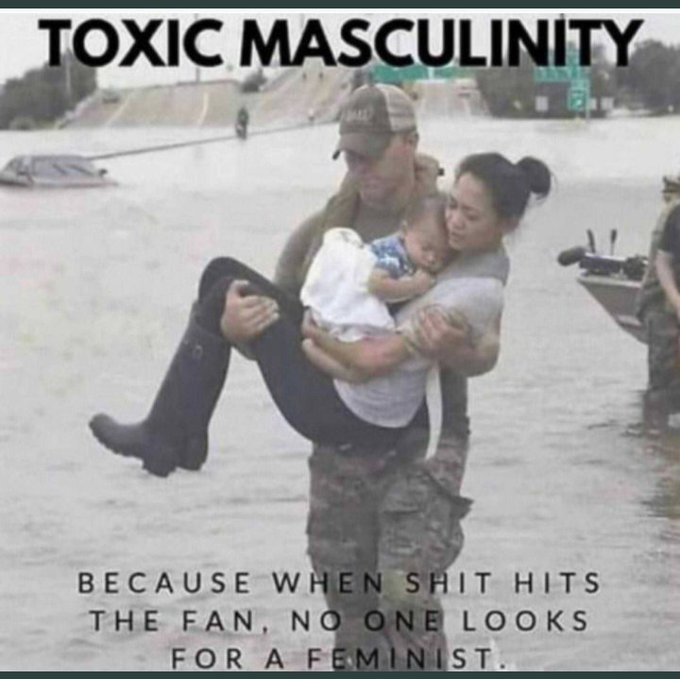
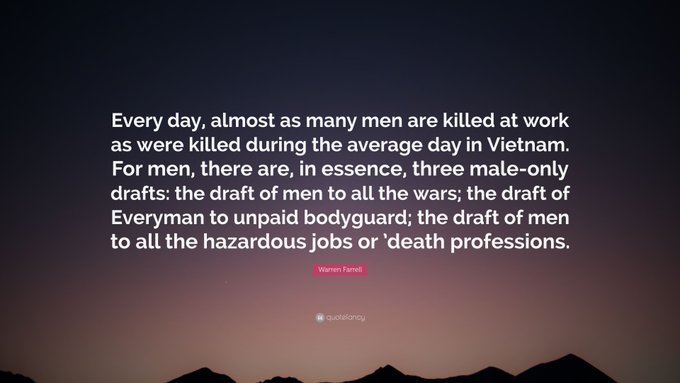
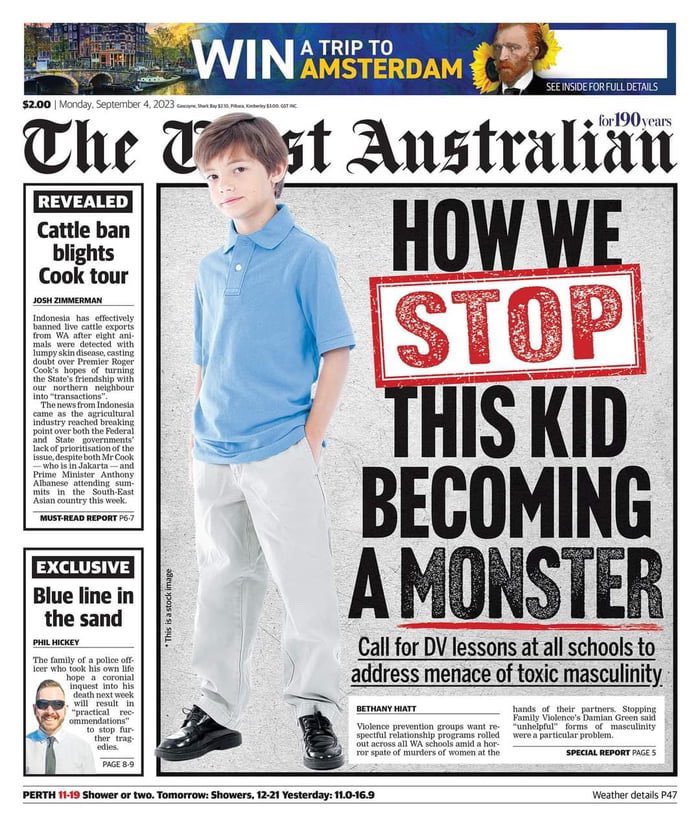
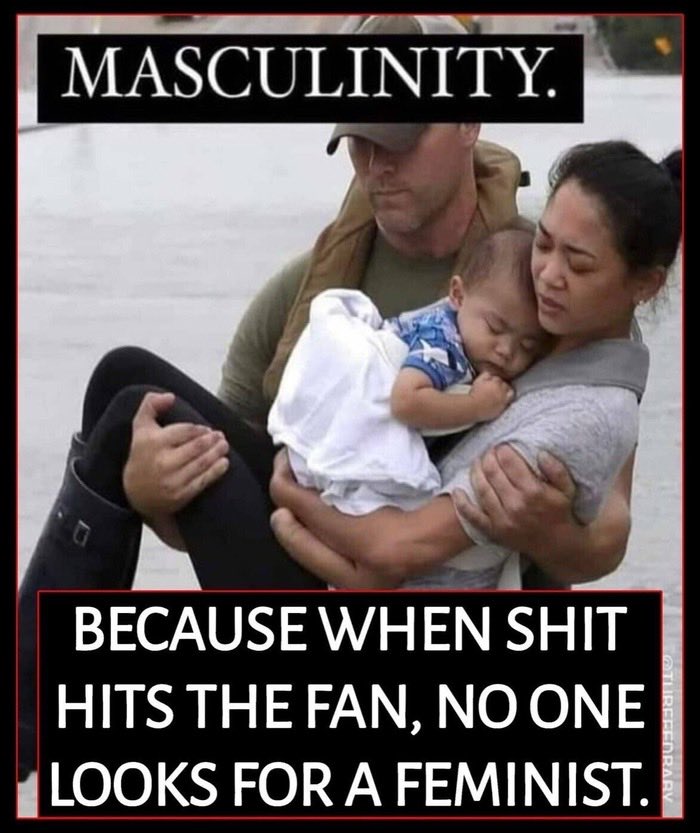
Hyper-masculinity? Toxic-masculinity? What is this masculinity thing that is painted as such a blight on society?
Why is there is never any mention of toxic femininity when (to varying extents) many of the same issues apply? Just look at my posts on for example, female violence, lack of empathy, sexual abuse by women, and damseling and the shameless exploitation of male chivalry.
The articles below all address the concept of masculinity, alternately either from a feminist, egalitarian, MHRA or another alternate position:
The words Will Smith didn’t need to say in his latest apology (2 April 2022) The female journalist implores readers to go easy on Will (for many reasons as listed). The journalist uses the term ‘toxic masculinity’ but then states that “In no way, shape or form did Smith’s actions harm the people attending the Oscars, or anyone watching at home.” Whilst it’s rare to see people being asked to show empathy for men, what’s the bet that it’s only happening here because Will is perceived to have ‘done it for a woman’? #WhiteKnight
‘Will Smith, we don’t need men to protect us’ (28 March 2022) Meanwhile, in real life and starting immediately after Will Smith hit Chris Rock, the media began exposing women stating things like “Gee, I wish I had a man to protect me like that!” #EyeFlutter
Man expresses enthusiasm = creep. Man expresses frustration = incel. Man expresses anger = toxic. Man expresses sadness = weak. Man shares emotions other than happiness = emotional labor. Man shares no emotions at all = emotionally distant
Today (30 December 2016) I noticed two articles that took a now common approach of using/portraying generally positive attributes associated with masculinity (protectiveness towards women & risk-taking behaviour) in order to mock or criticize men:
‘Real men don’t hit women’: The big problem with Malcolm Turnbull’s anti domestic violence message (10 October 2015) Australia. I agree with the prolem with the ‘real men’ message, but much about this article is wrong, not least the assertion by Michael Salter that female violence only occurs in the context of self-defence, and that the fact that most people in jail are male is proof that men are responsible for most crime.
I was reading an article the other day about the ongoing push to have feminist propaganda introduced into our schools under the guise of ‘respectful relationships’ programs.
The article in question, entitled ‘Bid to teach anti-violence to schoolkids‘ (Jessica Marszalek, Courier-Mail, 30 July 2015) included the following statements:
“She (QLD Minister Shannon Fentiman) said both teenage boys and girls would benefit from positive messages as they began in the dating world.
“We know that there are attitudes with particularly young men who think it is appropriate to pressure a woman for sex,” she said.
So as part of challenging those attitudes, those respectful relationship-type programs really help combat those views held by teenage boys. And for young girls, what they should and shouldn’t put up with.”
“We need to be running programs around respectful relationships but also we need to be running programs about how we view women, so tackling those attitudes is going to be central,” she said.
Queensland is not alone in this regard, with other states considering similar moves. This article concerns such a proposal in New South Wales.
In September 2015 Prime Minister Turnbull announced that “$5 million will also be provided as a longer-term measure to change the attitudes of young people to violence, through expanding the Safer Schools website to include resources for teachers, parents and students on respectful relationships. This will build on the $30 million national campaign (jointly funded by the Commonwealth, states and territories) to change young people’s attitudes to violence, which will commence in early 2016.” (Source)
I don’t have a problem with the concept of ‘respectful relationships’ programs in schools, but I am concerned when the focus is wholly on the need for boys/men to respect girls/women. Yet this is the very type of school program that has been provided and/or vigorously lobbied for by many pro-feminist groups such as the White Ribbon Campaign.
I believe that children should not be put in a position of being alternately shamed or absolved of responsibility due to their gender.
A gender-neutral approach, on the other hand, sends the correct message that people need to respect one another regardless of gender, and that harm can be caused by both males and females alike. (Article on this perspective)
Postscript February 2016: And now, ladies and gentlemen, please put your jazz hands together to welcome the ironically-labelled ‘Safe Schools‘ program. A program which the feminist lobby formulated and then rushed to defend when mainstream Australia voiced their disquiet. This is a progressive social engineering project masquerading as an anti-bullying program.
Sandwell awarded £119k to help tackle violence against women and girls (5 November 2021) “Specific actions that form of part of this programme include delivering a theatre production to raise awareness and challenge sexualised behaviours and culture, and creating boys group sessions tackling issues such as misogyny.”
Flag slur underlines concerns: Turnbull (28 May 2016) What’s the bet that Premier Andrews eventually comes to regret getting into bed with these leftist radfem nutters?
Teens to learn about consent in sex-ed shake-up (14 April 2021) But they will only learn about the dangers of violence against women (This article is/was behind a paywall for the Brisbane Courier-Mail & allied newspapers)
Schoolboy lashes his school for making the boys stand in front of the girls during assembly and ‘apologise’ for rapes committed by their gender’ (30 March 2021) Australia
“This article argues that … rather than promote the affirmation of student identity, the enactment of this directive might, in fact, lead to ethnic division. Second, attempts to recognise and affirm identity have led to the displacement of school subject knowledge in classroom programmes. These unintended outcomes are not only unacknowledged, but they continue to disadvantage the community the identity directive was intended to address.”
It is not enough for schools to address sexism after the scandal, by Dana Affleck (29 July 2016) Ordinary men are the enemy, not (just) bad men. Meanwhile no mention of female teachers having sex with students, or girls bullying, harassing or objectifying boys.
We all wear the White Ribbon (April 2016) Video. Australia. Completely and utterly one-sided … men hurt women/men must respect women
University defends research used as basis for Same Sex program (5 April 2016) I find the readers comments more persuasive that the entreaties of the Deputy Vice Chancellor. Only good research gets through the rigourous vetting process? Yup, how about the research project mentioned in this post? Or the ones mentioned here? This post is worth a read too
Principal Corrine McMillan said she was proud of her students, who will this year mark White Ribbon Day. “Students will present a declaration to make a stand against domestic violence,” she said. “I’m proud to see the students – particularly the male population – live up to the challenge.”
Do these girls represent the next generation of Australian women? Products of PC/feminist-corrupted education system … amoral narcissists with an abundance of entitlement and little respect for themselves, let alone men/boys?
Elsewhere in this blog you might also be interested in:
The same WA government web page was also the focus of this reddit mens rights discussion thread. Within that thread I came across an interesting post from someone with the moniker ‘dragonsandgoblins’. It’s interesting not just in relation to the information about domestic violence that it contains, but also because of how it demonstrates the censorship that occurs in relation to efforts to broaden the DV debate beyond the feminist-framed male perp/female victim model.
Anyway, this is what the author had to say:
“I actually wrote an article inspired by this exact webpage in 2013 that was published by http://rightnow.org.au/. Or at least it was published for about 4 hours before they pulled it. I’ll copy/paste it here because people may as well read it:
This webpage, hosted by the Government of Western Australia Department for Child Protection, contains two short paragraphs describing the domestic helpline services provided by this state government. The women’s helpline offers a range of services for women experiencing domestic violence. The men’s helpline on the other hand is more singularly focused, only offering counselling, and only for “men who are concerned about becoming violent or abusive“.
The Government of WA does not offer a helpline service to male victims, instead assuming that women are the only victims and that men will always be the perpetrators. This is despite a growing body of evidence that males do suffer from domestic and family violence in significant numbers. For example, the Personal Safety Survey (2006) by the Australian Bureau of Statistics (ABS) found that, 780,500 women and 325,700 men aged 15 years and over experienced violence from a current or previous partner in the last twenty years. In other words, 29.4 per cent of victims who suffered domestic violence were men. 92.5 per cent (301,400) of these male victims suffered this violence at the hands of a female partner.
The Publications and Resources webpage from the Government of WA provides domestic violence resources aimed at the general public and they are as gendered as the helpline services. Out of the “Freedom From Fear” resources, three fact sheets and one booklet are targeted at the violent party and, excluding the fact sheet “How do I know if I’m abusive?”, they all use gendered language that exclusively refers to the violent party as male and the victim as female. All of them bear subtitles describing themselves as being “for men who want to change”, with no reference to women who may want to do the same. The fact sheet aimed at victims also uses the same gendered language.
WA isn’t alone. For example, NSW Legal Aid offers a Domestic Violence Practitioner Service and a Women’s Domestic Violence Court Advocacy Program which aid women and children who are victims in legal matters such as getting Apprehended Domestic Violence Orders (ADVOs) and victims’ compensation. The NSW Government Family & Community Services Staying Home Leaving Violence program “…aims to prevent homelessness by working with the Police to remove the perpetrator from the family home so that women and children can remain safely where they are.” If the NSW Government offers similar programs specialising in male victims, I was unable to find them.
The federal government also discriminates against male victims. The National Plan to Reduce Violence against Women and their Children (The National Plan) paints a pitiful picture of the federal stance on male victims. Along with use of gender biased language The National Plan has seen the Commonwealth commit $86 million to support women and children who are victims and only $0.75 million to male victims. This discrepancy in funding is justified through the use of misleading statistics from the ABS Personal Safety Survey.
The section of the page that discusses male victims provides statistics that only 4.4 per cent (21,200) of men who were physically assaulted in the 12 months prior to the survey were assaulted by a current/previous partner compared with 31 per cent (73,800) of women who were physically assaulted. This is misleading because it doesn’t compare the quantity of male victims to female victims – instead it compares what percentage of all assaults against men were domestic violence to what percentage of all assaults against women were.
Looking at just these numbers – 21,200 male and 73,800 female victims – the divide in funding is twenty-five times greater than the divide in victims. The National Plan claims only “a small proportion of men are victims“, yet the ABS survey shows that they are roughly a quarter of all domestic violence victims. Is that really such a minority as to warrant less than one per cent of the funding committed under The National Plan?
Our state and federal governments are perpetrators of gender discrimination. Those discriminated against are not only men, they are victims. Victims who are denied services and support they need based on their gender.
(I apologise for the fact that some of the figures are out of date (for example I am pretty sure the funding disparity under the national plan has increased since 2013), and any dead links. This is presented unaltered from when it was written in 2013.)”
The author of the paper was then asked “Why was it pulled?” and responded:
“Well it was refined by 3 of their editors and myself before going up. After a while one of them was contacted by the editor in chief who pulled it and asked me to make changes such as explicitly mentioning that women are victims more than men (which I do already, since I actually state numbers), saying that I didn’t want funding for women reduced, and calling DV a gendered crime. He also said that I could be “more critical in relation to statistics”. Note that I only take stats from the Australian Bureau of Statistics, hardly a biased source. He also wanted me to mention that women under report DV. He also said and I quote:
There’s been a lot happening on North American campuses with regards to the evolving debate regarding consent, sexual assault, and freedom to discuss gender issues. As a result I have incorporated related information into several pre-existing posts in this blog, including for example:
Earlier today I read a new article entitled ‘Diagnosed with Liberalism‘. It addresses the peculiar behaviour of social justice warriors (‘SJW’), with special mention being made of the infamous case of ‘The Mattress Girl‘.
Reading that article prompted me to create a new post just dealing with that case, and with some other similar incidents. All of which, it would seem, have either been proven to be false or are widely considered to be highly dubious. I think I am also right in saying that in each case legal action is being pursued by the male accused against the relevant university.
1. Emma Sulkowicz (aka ‘Mattress Girl or ‘Mattress Mule’) – Columbia University, New York
Columbia student: I didn’t rape her (3 February 2015) One of many articles about female university student, Emma Sulkowicz, who carried a mattress all around her campus after claiming she had been raped.
The young man accussed of rape, Paul Nungesser, later sued Columbia University and lost that case (see related Reddit discussion thread here). Further developments are anticipated.
The internet has provided a haven for those inclined to strike out at people in anonymity and usually without fear of repercussion.
The purpose of this blog post is not to propose solutions to this problem, but rather to take a step back and call for an objective, measured and truthful discussion of the relevant issues.
There’s no doubt that women are often targets of online abuse, although there does appear to be a tendency towards embellishment and exaggeration with regards to the nature and extent of such abuse. The author of this article, for example, would have us believe that life on the internet is unbearable for women due to the oppressive behaviour of male trolls.
What is generally absent from articles on this subject is an honest admission that a considerable amount of online abuse is directed at men, and that a substantial proportion of those perpetrating abuse are women/girls. Have a look at the information provided in the chart below, extracted from a 2014 paper by PEW Research. (see 2017 updated here)
Why do so many commentators and ‘experts’ fail to acknowledge these significant points?
Surely not the desire to support the feminist narrative of women as the perpetual victims of an unyielding male patriarchy?
The findings of a survey by Norton painted a different picture. Unfortunately however the results were compromised by poor methodology, a common problem with pro-feminist research. In this instance the researchers failed to include questions about male victimisation via online abuse.
So why has this issue garnered a large and increasing amount of attention in recent years? Are people becoming nastier? Is that nastiness becoming more gendered in nature?
There are a number of significant factors that need to be considered here.
Further along the scale one encounters behaviour that does not involve actual threats, but is so persistent and pervasive as to be genuinely threatening in nature.
At the other end are interactions that are little more than assertive dissent in relation to a particular idea or opinion being put forward.
More and more we are witnessing the definition of terms such as online abuse and ‘trolls’ expanded to include behaviour and people who seem undeserving of these pejoratives. Also troubling is the fact that the same types of behaviour decried as abuse or trollish when used by conservative/non-feminists, are seen as acceptable or even noble when used by feminists/leftists/woke. This issue of finessing definitions to suit a narrative is discussed in another blog post.
Why do people, particularly in this case feminists/woke, so readily misinterpret online communication in this way? I’d suggest that in part it is a deliberate strategy, whilst at other times simply a misunderstanding.
It has been suggested that feminists interpret relatively innocuous messages as hurtful because online communication is a forum where women are truly treated as equals. Men speak to women online as men would speak to other men in real life. It is said that many women are unaccustomed to this gloves-off banter, and interpret it as vindictive rather than as heartfelt and direct. I believe that there is an element of truth to this, although again it is but one of several factors in the mix.
One other reason for exaggerated claims of online hate and abuse is that it provides an excuse to instigate progressively harsher and more intrusive forms of censorship. Censorship is a recurring theme in real-world feminist tactics, and one which I address in another blog post.
Turning again to feminist research, let’s examine a project called the University of NSW ‘Cyberhate Project‘, which is being supported by the Australian Research Council (‘ARC’) with AUD$372,095 of public funding.
I was more than a little concerned to learn that this research project will only survey women. That looks an awful lot like a research project designed with a particular conclusion already firmly in mind. I immediately took this up with the ARC, who dismissed my complaint regarding this obvious ideological bias in the following manner:
“Proposals for ARC funding undergo a rigorous peer review process involving experts in their fields who assess the quality of projects and the capabilities and achievements of applicants. The planning and management of ARC-funded research projects is a matter for individual researchers and institutions (in accordance with ARC funding agreements).”
I’m left wondering just how many of those peers were likely either fellow feminists or sympathisers. Hands up who else thinks that this might not be the most effective vetting process in the case of a polarised issue such as this?
As is virtually de rigeur at The Conversation, readers comments that were deemed unsupportive of the feminist author’s position were quickly excised. In this case that amounted to at least one in four comments. Of the many I read before they disappeared, none of these were in the least bit threatening or abusive.
I posted one of those comments removed by the moderator. It simply stated:
“Emma, Is it not a fact that men are subject to more online harassment than are women? Is it not a fact that many of the perpetrators of online abuse are women? … Might it therefore not be more accurate to say that the real online divide is one between trolls and the rest of us, rather than between men and women as your paper implies?”
Given that men are subject to a considerable amount of online harassment, they should not be excluded from research on this subject. The fact that the finger of blame is often pointed at men alone, when we know full well that many women perpetrate online harassment/abuse, does tend to stick in this writer’s craw. One might consider at this point the example of Australian radfem Clementine Ford.
As with domestic violence and various other topics, feminists persist in labelling issues as “gendered” when they are not, in order to create support for their global war-against-women conspiracy.
What now follows is a collection of links to articles that provide various perspectives on the issue of online harassment/abuse:
The internet has provided a haven for those inclined to strike out at people in anonymity and usually without fear of repercussion.
The purpose of this blog post is not to propose solutions to this problem, but rather to take a step back and call for an objective, measured and truthful discussion of the relevant issues.
There’s no doubt that women are often targets of online abuse, although there does appear to be a tendency towards embellishment and exaggeration with regards to the nature and extent of such abuse. The author of this article, for example, would have us believe that life on the internet is unbearable for women due to the oppressive behaviour of male trolls.
What is generally absent from articles on this subject is an honest admission that a considerable amount of online abuse is directed at men, and that a substantial proportion of those perpetrating abuse are women/girls. Have a look at the information provided in the chart below, extracted from a 2014 paper by PEW Research. (see 2017 updated here)
Why do so many commentators and ‘experts’ fail to acknowledge these significant points?
Surely not the desire to support the feminist narrative of women as the perpetual victims of an unyielding male patriarchy?
The findings of a survey by Norton painted a different picture. Unfortunately however the results were compromised by poor methodology, a common problem with pro-feminist research. In this instance the researchers failed to include questions about male victimisation via online abuse.
So why has this issue garnered a large and increasing amount of attention in recent years? Are people becoming nastier? Is that nastiness becoming more gendered in nature?
There are a number of significant factors that need to be considered here.
Further along the scale one encounters behaviour that does not involve actual threats, but is so persistent and pervasive as to be genuinely threatening in nature.
At the other end are interactions that are little more than assertive dissent in relation to a particular idea or opinion being put forward.
More and more we are witnessing the definition of terms such as online abuse and ‘trolls’ expanded to include behaviour and people who seem undeserving of these pejoratives. Also troubling is the fact that the same types of behaviour decried as abuse or trollish when used by conservative/non-feminists, are seen as acceptable or even noble when used by feminists/leftists/woke. This issue of finessing definitions to suit a narrative is discussed in another blog post.
Why do people, particularly in this case feminists/woke, so readily misinterpret online communication in this way? I’d suggest that in part it is a deliberate strategy, whilst at other times simply a misunderstanding.
It has been suggested that feminists interpret relatively innocuous messages as hurtful because online communication is a forum where women are truly treated as equals. Men speak to women online as men would speak to other men in real life. It is said that many women are unaccustomed to this gloves-off banter, and interpret it as vindictive rather than as heartfelt and direct. I believe that there is an element of truth to this, although again it is but one of several factors in the mix.
One other reason for exaggerated claims of online hate and abuse is that it provides an excuse to instigate progressively harsher and more intrusive forms of censorship. Censorship is a recurring theme in real-world feminist tactics, and one which I address in another blog post.
Turning again to feminist research, let’s examine a project called the University of NSW ‘Cyberhate Project‘, which is being supported by the Australian Research Council (‘ARC’) with AUD$372,095 of public funding.
I was more than a little concerned to learn that this research project will only survey women. That looks an awful lot like a research project designed with a particular conclusion already firmly in mind. I immediately took this up with the ARC, who dismissed my complaint regarding this obvious ideological bias in the following manner:
“Proposals for ARC funding undergo a rigorous peer review process involving experts in their fields who assess the quality of projects and the capabilities and achievements of applicants. The planning and management of ARC-funded research projects is a matter for individual researchers and institutions (in accordance with ARC funding agreements).”
I’m left wondering just how many of those peers were likely either fellow feminists or sympathisers. Hands up who else thinks that this might not be the most effective vetting process in the case of a polarised issue such as this?
As is virtually de rigeur at The Conversation, readers comments that were deemed unsupportive of the feminist author’s position were quickly excised. In this case that amounted to at least one in four comments. Of the many I read before they disappeared, none of these were in the least bit threatening or abusive.
I posted one of those comments removed by the moderator. It simply stated:
“Emma, Is it not a fact that men are subject to more online harassment than are women? Is it not a fact that many of the perpetrators of online abuse are women? … Might it therefore not be more accurate to say that the real online divide is one between trolls and the rest of us, rather than between men and women as your paper implies?”
Given that men are subject to a considerable amount of online harassment, they should not be excluded from research on this subject. The fact that the finger of blame is often pointed at men alone, when we know full well that many women perpetrate online harassment/abuse, does tend to stick in this writer’s craw. One might consider at this point the example of Australian radfem Clementine Ford.
As with domestic violence and various other topics, feminists persist in labelling issues as “gendered” when they are not, in order to create support for their global war-against-women conspiracy.
What now follows is a collection of links to articles that provide various perspectives on the issue of online harassment/abuse:
The internet has provided a haven for those inclined to strike out at people in anonymity and usually without fear of repercussion.
The purpose of this blog post is not to propose solutions to this problem, but rather to take a step back and call for an objective, measured and truthful discussion of the relevant issues.
There’s no doubt that women are often targets of online abuse, although there does appear to be a tendency towards embellishment and exaggeration with regards to the nature and extent of such abuse. The author of this article, for example, would have us believe that life on the internet is unbearable for women due to the oppressive behaviour of male trolls.
What is generally absent from articles on this subject is an honest admission that a considerable amount of online abuse is directed at men, and that a substantial proportion of those perpetrating abuse are women/girls. Have a look at the information provided in the chart below, extracted from a 2014 paper by PEW Research. (see 2017 updated here)
Why do so many commentators and ‘experts’ fail to acknowledge these significant points?
Surely not the desire to support the feminist narrative of women as the perpetual victims of an unyielding male patriarchy?
The findings of a survey by Norton painted a different picture. Unfortunately however the results were compromised by poor methodology, a common problem with pro-feminist research. In this instance the researchers failed to include questions about male victimisation via online abuse.
So why has this issue garnered a large and increasing amount of attention in recent years? Are people becoming nastier? Is that nastiness becoming more gendered in nature?
There are a number of significant factors that need to be considered here.
Further along the scale one encounters behaviour that does not involve actual threats, but is so persistent and pervasive as to be genuinely threatening in nature.
At the other end are interactions that are little more than assertive dissent in relation to a particular idea or opinion being put forward.
More and more we are witnessing the definition of terms such as online abuse and ‘trolls’ expanded to include behaviour and people who seem undeserving of these pejoratives. Also troubling is the fact that the same types of behaviour decried as abuse or trollish when used by conservative/non-feminists, are seen as acceptable or even noble when used by feminists/leftists/woke. This issue of finessing definitions to suit a narrative is discussed in another blog post.
Why do people, particularly in this case feminists/woke, so readily misinterpret online communication in this way? I’d suggest that in part it is a deliberate strategy, whilst at other times simply a misunderstanding.
It has been suggested that feminists interpret relatively innocuous messages as hurtful because online communication is a forum where women are truly treated as equals. Men speak to women online as men would speak to other men in real life. It is said that many women are unaccustomed to this gloves-off banter, and interpret it as vindictive rather than as heartfelt and direct. I believe that there is an element of truth to this, although again it is but one of several factors in the mix.
One other reason for exaggerated claims of online hate and abuse is that it provides an excuse to instigate progressively harsher and more intrusive forms of censorship. Censorship is a recurring theme in real-world feminist tactics, and one which I address in another blog post.
Turning again to feminist research, let’s examine a project called the University of NSW ‘Cyberhate Project‘, which is being supported by the Australian Research Council (‘ARC’) with AUD$372,095 of public funding.
I was more than a little concerned to learn that this research project will only survey women. That looks an awful lot like a research project designed with a particular conclusion already firmly in mind. I immediately took this up with the ARC, who dismissed my complaint regarding this obvious ideological bias in the following manner:
“Proposals for ARC funding undergo a rigorous peer review process involving experts in their fields who assess the quality of projects and the capabilities and achievements of applicants. The planning and management of ARC-funded research projects is a matter for individual researchers and institutions (in accordance with ARC funding agreements).”
I’m left wondering just how many of those peers were likely either fellow feminists or sympathisers. Hands up who else thinks that this might not be the most effective vetting process in the case of a polarised issue such as this?
As is virtually de rigeur at The Conversation, readers comments that were deemed unsupportive of the feminist author’s position were quickly excised. In this case that amounted to at least one in four comments. Of the many I read before they disappeared, none of these were in the least bit threatening or abusive.
I posted one of those comments removed by the moderator. It simply stated:
“Emma, Is it not a fact that men are subject to more online harassment than are women? Is it not a fact that many of the perpetrators of online abuse are women? … Might it therefore not be more accurate to say that the real online divide is one between trolls and the rest of us, rather than between men and women as your paper implies?”
Given that men are subject to a considerable amount of online harassment, they should not be excluded from research on this subject. The fact that the finger of blame is often pointed at men alone, when we know full well that many women perpetrate online harassment/abuse, does tend to stick in this writer’s craw. One might consider at this point the example of Australian radfem Clementine Ford.
As with domestic violence and various other topics, feminists persist in labelling issues as “gendered” when they are not, in order to create support for their global war-against-women conspiracy.
What now follows is a collection of links to articles that provide various perspectives on the issue of online harassment/abuse:
Constructing the cyber-troll: Psychopathy, sadism, and empathy (December 2017 edition of ‘Personality and Individual Differences’) This study asserts that most trolls are male, but I suspect that the findings may have been compromised by one or more of the following factors:
* small sample size with 2/3 of respondents being women, and who were possibly self-selected
* incorrect assumptions (by survey respondents) regarding the gender of trolls
* differing and possibly gender-based judgments as to what constitutes trolling
The media dangerously misuses the word ‘trolling’ (3 July 2017) This article conveniently neglects to mention that this ‘problem’ has been primarily brought about through misusing the term ‘trolling’ to describe reasonable dissent against the prevailing leftist/feminist narrative.
Australia tackles revenge porn with new eSafety Commission (23 November 2016) AFAIK this agency’s brief was initially gender-neutral but it quickly assumed a pro-feminist stance, making its focus the online harassment of women and girls.
The top 20 Australian politicians, with respect to receiving online abuse, are all right wing males (1 July 2016) Australia. Typical feminist take on this issue, for e.g. mis-labels harassment as “online violence” and “sexual violence”, does not provide corresponding statistics for men/boys harassed online, nor divulge that much abuse is perpetrated by women/girls. The implication is, as always, men=bad & women=men’s hapless victims.
Eight things not to say to someone facing online abuse (20 April 2016) See point 4 in this article by misandrist Laura Bates: “Silencing is the end goal of the majority of abuse”. Erm, so all those feminists systematically lodging bogus reports to have people’s social media accounts closed, they would be online abusers then?
Girl gets Instagram revenge on cheating ex (25 March 2016) Reverse the genders in this story and “one poor lass” becomes ‘online harassment by abusive former boyfriend’
“A new survey by the Internet security company Norton (for which I’m an ambassador) shows that nearly half of all Australian women (47 per cent) experience online harassment. That rises to a staggering 76 per cent for women under 30. Unsurprisingly, 70 per cent of women believe online harassment is a significant problem and 60 per cent believe it has got worse in the past year.” And nowhere in this article will you find corresponding statistics in relation to men – the survey didn’t include questions about male victimisation. I wonder why not?
Online harassment of women at risk of becoming ‘established norm’, study finds (8 March 2016) Australia. Guardian article drawing on the Norton survey which air-brushed out male victimisation/female perpetration, and thus robbed the findings of social context. No doubt a good thing from a feminist perspective if that would have diminished the victim status on which their ideology is based.
Were examples of specific rape threats made public? No. How about a formal complaint to police? Apparently not. “Oh look, another politician ginning up fake threats to boost her feminist cred. Never seen that before….” (Source)
Emma Watson: Trolls threatened to publish nude photos of me (8 March 2015) This article quotes Emma as saying most of those posting threats were other women, yet this article (in pro-feminist news.com.au) claims that men were to blame. As mentioned earlier, this represents an all-too typical bending of the facts to suit the narrative.
#womenagainstfeminism receive hundreds of threats (Scroll down their Facebook timeline to 16 August 2014 for details) Somehow I don’t think it would be men issuing most of the threats … but surely not women?
This June 2014 reddit discussion thread, and linked newspaper article, is about female Twitter trolls
Constructing the cyber-troll: Psychopathy, sadism, and empathy (December 2017 edition of ‘Personality and Individual Differences’) This study asserts that most trolls are male, but I suspect that the findings may have been compromised by one or more of the following factors:
* small sample size with 2/3 of respondents being women, and who were possibly self-selected
* incorrect assumptions (by survey respondents) regarding the gender of trolls
* differing and possibly gender-based judgments as to what constitutes trolling
The media dangerously misuses the word ‘trolling’ (3 July 2017) This article conveniently neglects to mention that this ‘problem’ has been primarily brought about through misusing the term ‘trolling’ to describe reasonable dissent against the prevailing leftist/feminist narrative.
Australia tackles revenge porn with new eSafety Commission (23 November 2016) AFAIK this agency’s brief was initially gender-neutral but it quickly assumed a pro-feminist stance, making its focus the online harassment of women and girls.
The top 20 Australian politicians, with respect to receiving online abuse, are all right wing males (1 July 2016) Australia. Typical feminist take on this issue, for e.g. mis-labels harassment as “online violence” and “sexual violence”, does not provide corresponding statistics for men/boys harassed online, nor divulge that much abuse is perpetrated by women/girls. The implication is, as always, men=bad & women=men’s hapless victims.
Eight things not to say to someone facing online abuse (20 April 2016) See point 4 in this article by misandrist Laura Bates: “Silencing is the end goal of the majority of abuse”. Erm, so all those feminists systematically lodging bogus reports to have people’s social media accounts closed, they would be online abusers then?
Girl gets Instagram revenge on cheating ex (25 March 2016) Reverse the genders in this story and “one poor lass” becomes ‘online harassment by abusive former boyfriend’
“A new survey by the Internet security company Norton (for which I’m an ambassador) shows that nearly half of all Australian women (47 per cent) experience online harassment. That rises to a staggering 76 per cent for women under 30. Unsurprisingly, 70 per cent of women believe online harassment is a significant problem and 60 per cent believe it has got worse in the past year.” And nowhere in this article will you find corresponding statistics in relation to men – the survey didn’t include questions about male victimisation. I wonder why not?
Online harassment of women at risk of becoming ‘established norm’, study finds (8 March 2016) Australia. Guardian article drawing on the Norton survey which air-brushed out male victimisation/female perpetration, and thus robbed the findings of social context. No doubt a good thing from a feminist perspective if that would have diminished the victim status on which their ideology is based.
Were examples of specific rape threats made public? No. How about a formal complaint to police? Apparently not. “Oh look, another politician ginning up fake threats to boost her feminist cred. Never seen that before….” (Source)
Emma Watson: Trolls threatened to publish nude photos of me (8 March 2015) This article quotes Emma as saying most of those posting threats were other women, yet this article (in pro-feminist news.com.au) claims that men were to blame. As mentioned earlier, this represents an all-too typical bending of the facts to suit the narrative.
#womenagainstfeminism receive hundreds of threats (Scroll down their Facebook timeline to 16 August 2014 for details) Somehow I don’t think it would be men issuing most of the threats … but surely not women?
This June 2014 reddit discussion thread, and linked newspaper article, is about female Twitter trolls
Constructing the cyber-troll: Psychopathy, sadism, and empathy (December 2017 edition of ‘Personality and Individual Differences’) This study asserts that most trolls are male, but I suspect that the findings may have been compromised by one or more of the following factors:
* small sample size with 2/3 of respondents being women, and who were possibly self-selected
* incorrect assumptions (by survey respondents) regarding the gender of trolls
* differing and possibly gender-based judgments as to what constitutes trolling
The media dangerously misuses the word ‘trolling’ (3 July 2017) This article conveniently neglects to mention that this ‘problem’ has been primarily brought about through misusing the term ‘trolling’ to describe reasonable dissent against the prevailing leftist/feminist narrative.
Australia tackles revenge porn with new eSafety Commission (23 November 2016) AFAIK this agency’s brief was initially gender-neutral but it quickly assumed a pro-feminist stance, making its focus the online harassment of women and girls.
The top 20 Australian politicians, with respect to receiving online abuse, are all right wing males (1 July 2016) Australia. Typical feminist take on this issue, for e.g. mis-labels harassment as “online violence” and “sexual violence”, does not provide corresponding statistics for men/boys harassed online, nor divulge that much abuse is perpetrated by women/girls. The implication is, as always, men=bad & women=men’s hapless victims.
Eight things not to say to someone facing online abuse (20 April 2016) See point 4 in this article by misandrist Laura Bates: “Silencing is the end goal of the majority of abuse”. Erm, so all those feminists systematically lodging bogus reports to have people’s social media accounts closed, they would be online abusers then?
Girl gets Instagram revenge on cheating ex (25 March 2016) Reverse the genders in this story and “one poor lass” becomes ‘online harassment by abusive former boyfriend’
“A new survey by the Internet security company Norton (for which I’m an ambassador) shows that nearly half of all Australian women (47 per cent) experience online harassment. That rises to a staggering 76 per cent for women under 30. Unsurprisingly, 70 per cent of women believe online harassment is a significant problem and 60 per cent believe it has got worse in the past year.” And nowhere in this article will you find corresponding statistics in relation to men – the survey didn’t include questions about male victimisation. I wonder why not?
Online harassment of women at risk of becoming ‘established norm’, study finds (8 March 2016) Australia. Guardian article drawing on the Norton survey which air-brushed out male victimisation/female perpetration, and thus robbed the findings of social context. No doubt a good thing from a feminist perspective if that would have diminished the victim status on which their ideology is based.
Were examples of specific rape threats made public? No. How about a formal complaint to police? Apparently not. “Oh look, another politician ginning up fake threats to boost her feminist cred. Never seen that before….” (Source)
Emma Watson: Trolls threatened to publish nude photos of me (8 March 2015) This article quotes Emma as saying most of those posting threats were other women, yet this article (in pro-feminist news.com.au) claims that men were to blame. As mentioned earlier, this represents an all-too typical bending of the facts to suit the narrative.
#womenagainstfeminism receive hundreds of threats (Scroll down their Facebook timeline to 16 August 2014 for details) Somehow I don’t think it would be men issuing most of the threats … but surely not women?
This June 2014 reddit discussion thread, and linked newspaper article, is about female Twitter trolls
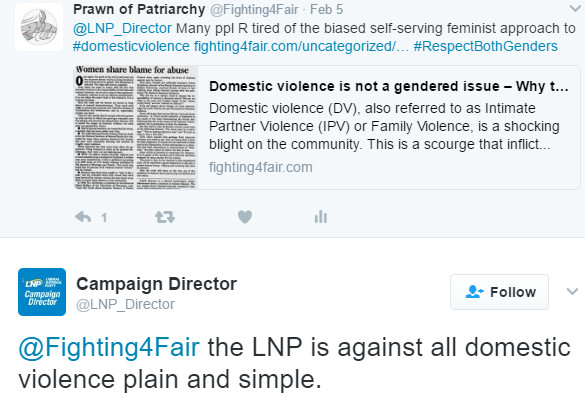
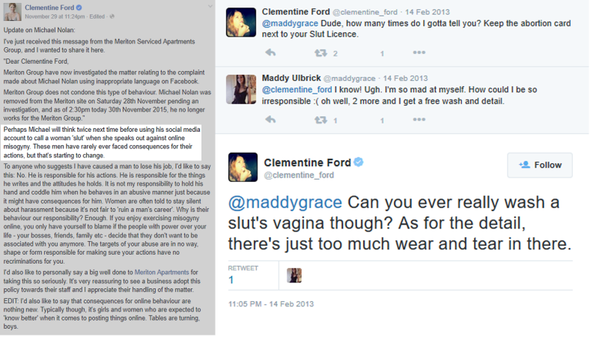


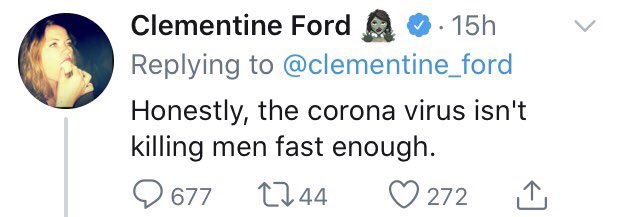

 Well, at least I have plenty of company on











 Much more to be added as time permits!